
Building the Build-Out: 11 Years Of Scale, Machines And Maturity
For eleven years, Construction Opportunities has documented India’s construction journey through projects, policies and progress. What distinguishes the current phase, however, is the growing recognition that infrastructure scale and construction equipment capability are inseparable. The story of India’s build-out is no longer just about assets created — it is about the machines, manufacturing ecosystems and execution intelligence that make those assets possible.
India’s infrastructure cycle between 2025 and 2030 reflects a move from expansion to institutional maturity. Public capital expenditure has nearly doubled over five years, remaining above `10 lakh crore annually and reinforcing transport corridors, rail modernisation, logistics connectivity and urban infrastructure as long-term priorities. This continuity provides the confidence required for contractors to invest in mechanisation and for manufacturers to expand production capacity.
Construction equipment sits at the centre of this shift. Mechanisation intensity across highways, mining, urban redevelopment and logistics projects has increased significantly, with digitally connected excavators, intelligent compaction systems and automated concrete solutions becoming standard features rather than premium upgrades. Productivity is now measured through utilisation rates, fuel efficiency and lifecycle performance — metrics that place equipment strategy alongside project planning.
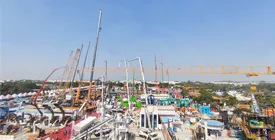
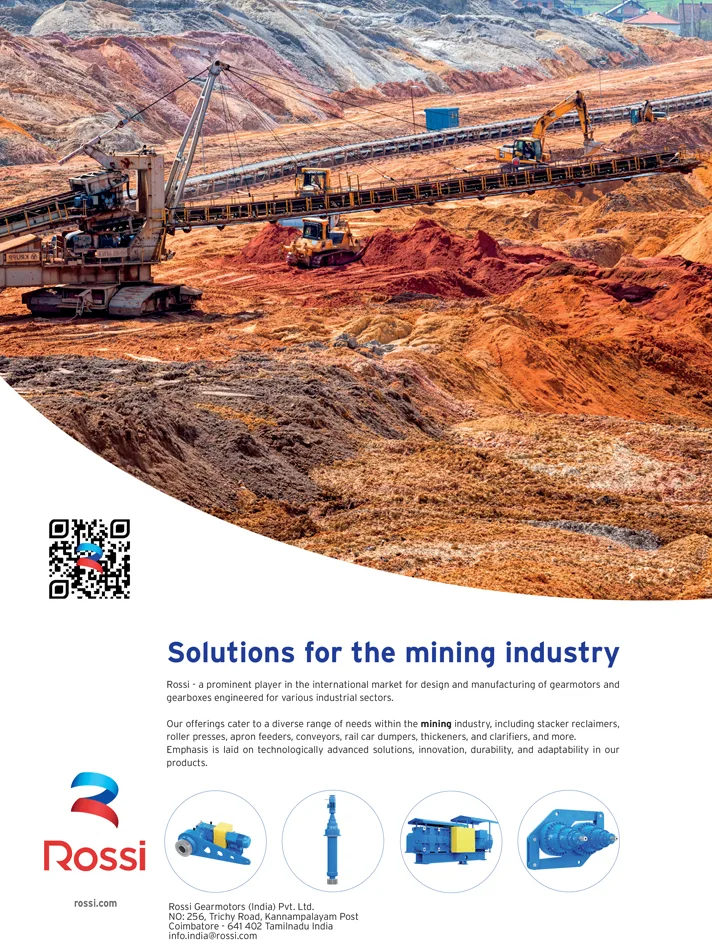
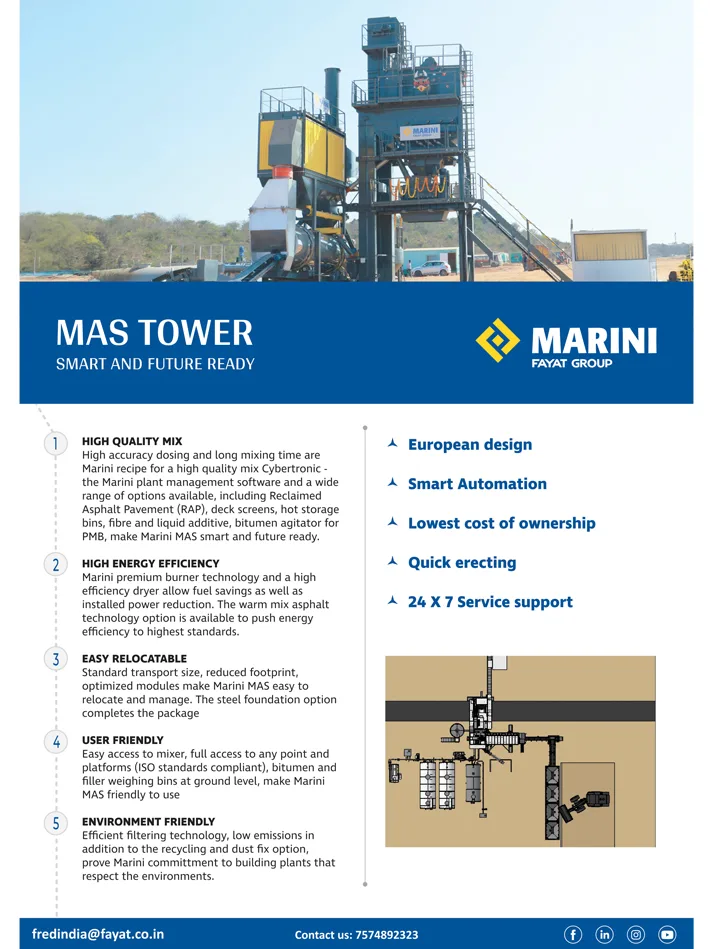
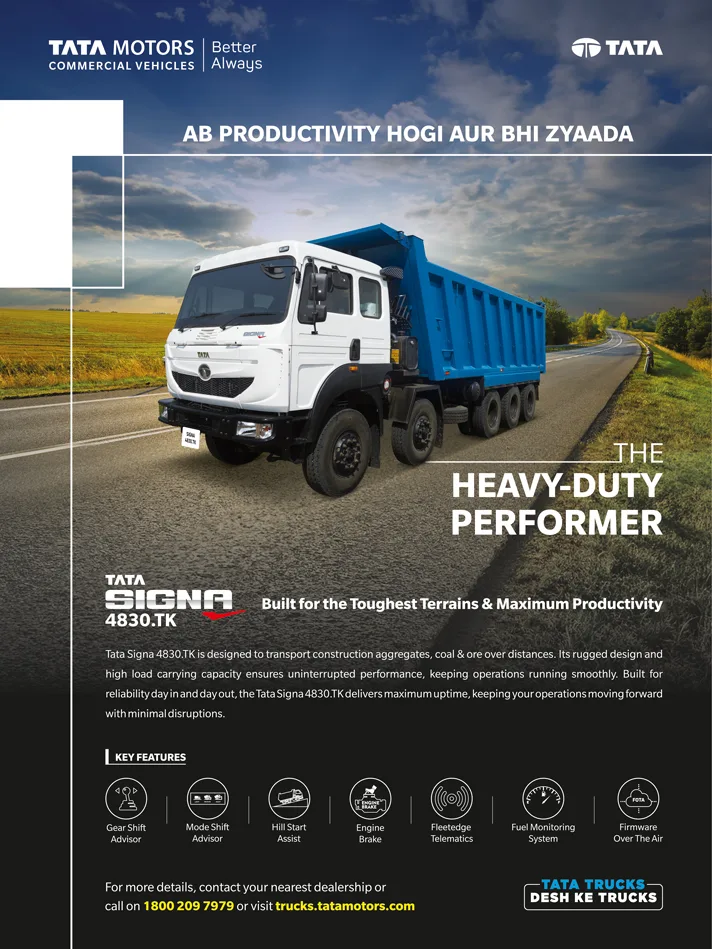
Manufacturing trends reinforce this convergence. India has emerged as a strategic production base where global OEMs are expanding facilities while domestic players scale capabilities across cranes, concrete equipment and mining machinery. Machines engineered in India are increasingly designed for high-utilisation environments common across emerging markets, positioning the country not just as a consumer but as a contributor to global construction equipment supply chains.
Equally important is the transformation occurring at the contractor level. Regional contractors are adopting connected fleets, rental ecosystems are professionalising and procurement decisions are shifting toward performance rather than acquisition cost. This evolution is reshaping demand — favouring machines that deliver uptime, adaptability and digital visibility.
Sustainability adds a new dimension. Electrified compact equipment, hybrid pathways and data-driven fuel optimisation are beginning to influence equipment design and project specifications, signalling the early stages of a lower-carbon construction model.
As Construction Opportunities marks its 11th Anniversary, the industry stands at a defining intersection of infrastructure ambition and equipment evolution. The coming decade will be shaped not simply by how much India builds, but by how intelligently machines, manufacturing and project execution align. The foundations are in place. The next chapter will determine whether India’s construction ecosystem scales from national priority to global influence.